
Designing Dreams into Reality: A Deep Look at Interior Design as a Career
Choosing the right career is one of the most important decisions in life. Among the many creative professions gaining attention today, interior design stands out as a career that blends artistry with functionality. More people are exploring Interior Design Career Path because it offers opportunities to create spaces that not only look beautiful but also improve how people live, work, and feel.
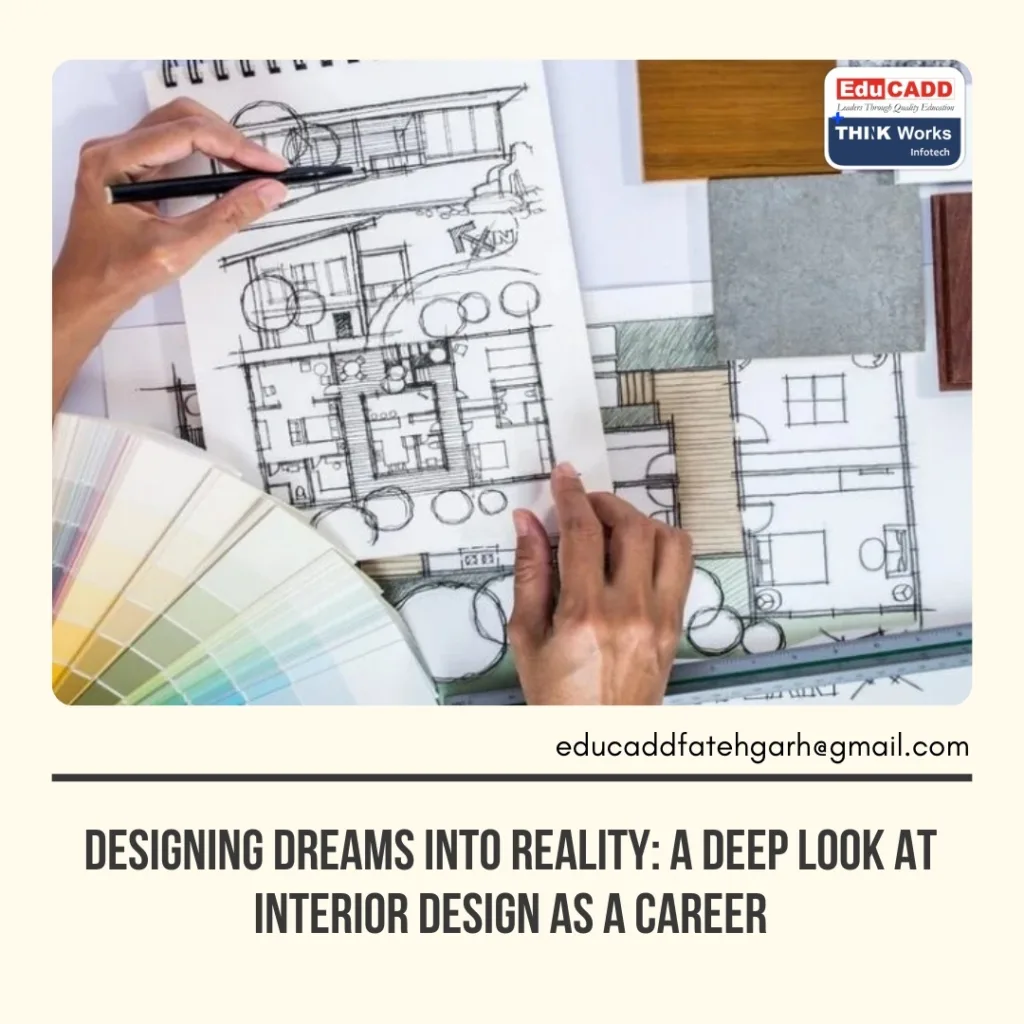
This blog explores every essential detail you need to know before deciding if interior design is the right profession for you. From understanding the scope of the field to required skills, career growth, industry trends, and challenges, you’ll get a comprehensive view that helps you make an informed decision.
The Expanding Scope of Interior Design
Interior design has evolved from simply decorating homes to creating complete functional environments. Today, it influences residential, commercial, hospitality, retail, and even healthcare spaces. With rising urbanization, sustainable housing, and a focus on well-being, the demand for professional interior designers continues to rise globally.
What makes interior design as a career especially promising is its diverse scope. Designers don’t just choose colors or arrange furniture; they plan layouts, integrate technology, follow safety codes, and even consult on environmental impact. From high-end luxury villas to affordable housing projects, every sector now values thoughtful design.
This growing demand means aspiring professionals can specialize in niches such as eco-friendly interiors, office productivity design, or luxury hospitality. The choices are endless, making the career attractive for those who love creativity with purpose.
Skills You Need to Thrive in Interior Design
To succeed in interior design as a career, technical knowledge and artistic vision go hand in hand. The profession demands a unique combination of creativity, problem-solving, and business skills.
- Creative Vision – You need the ability to imagine spaces before they are built. Creativity helps you merge aesthetics with functionality.
- Technical Expertise – Proficiency in CAD software, 3D modeling, and design tools is essential to communicate your vision to clients and contractors.
- Communication Skills – Explaining concepts clearly, negotiating with clients, and collaborating with contractors require strong interpersonal skills.
- Knowledge of Materials and Trends – Keeping up with sustainable materials, smart home technologies, and global design trends ensures your work stays relevant.
- Project Management – Timelines, budgets, and execution need careful handling to transform designs into reality.
While passion fuels creativity, skill development ensures long-term success. Many successful designers highlight continuous learning as the secret to thriving in this profession.
Interior Design Career Path and Opportunities in Interior Design
The beauty of interior design as a career lies in the variety of directions you can take once you enter the field. Some of the most common and rewarding career paths include:
- Residential Design – Working on homes, apartments, and private villas, focusing on comfort, personalization, and beauty.
- Commercial Design – Designing offices, retail outlets, restaurants, and shopping complexes where productivity and brand identity matter.
- Hospitality Design – Creating welcoming spaces for hotels, resorts, and cafes that elevate customer experience.
- Sustainable and Green Design – Specializing in eco-friendly, energy-efficient spaces with minimal environmental impact.
- Set and Exhibition Design – Working in entertainment and events, crafting temporary but impactful spaces for shows or trade fairs.
Freelancing, working with design firms, or starting your own studio are also career options. With globalization, many designers even consult on international projects remotely, adding more flexibility to career growth.
Challenges in the World of Interior Design
While the profession looks glamorous from the outside, pursuing interior design as a career comes with challenges. Meeting client expectations, managing budgets, and balancing creativity with practicality can test even the most passionate designers.
- Client Demands – Not every client understands design principles, so convincing them requires patience and adaptability.
- Tight Deadlines – Design projects often involve strict timelines that demand consistent effort and focus.
- Budget Limitations – Designers must deliver creative solutions within financial constraints without compromising quality.
- Staying Updated – Trends and technologies change rapidly, so constant upskilling is non-negotiable.
However, these challenges also become opportunities. Designers who can handle pressure and still produce innovative results often rise quickly in their careers.
Why Interior Design Could Be the Right Career for You
Choosing interior design as a career ultimately depends on your personal interests and professional goals. If you have a love for creativity, problem-solving, and improving how people live in their spaces, this profession could be your perfect fit. It allows you to merge artistic freedom with practical outcomes while enjoying diverse opportunities across industries.
Moreover, it offers independence for those who wish to freelance or start their own ventures. The global growth of real estate and rising demand for functional spaces means the future of this profession looks bright. With dedication, skill, and adaptability, interior design can give you not only financial rewards but also the deep satisfaction of shaping environments where people thrive.
Conclusion
Interior design is more than just a career; it’s a journey of shaping ideas into experiences. It is a profession where art meets science, where creativity meets function, and where passion meets opportunity. If you’re considering Interior Design Career Path, ask yourself: do you enjoy creating, problem-solving, and making people feel comfortable in their surroundings? If the answer is yes, then this path may open doors to a fulfilling, dynamic, and rewarding professional life.

